Good Planet News Weekly, 6 November

Edition: 6 November 2025
Theme: Respecting our Oceans, Restoring Balance, Regenerating Connection

Each of these stories embodies Buen Vivir: the understanding that socio-eco wellbeing arises when we live in harmony with all life. From Antarctic waters to the Amazong, people are re-imagining progress not as extraction, but as regeneration.

  1. UK Retailer Ends Krill Sales for Antarctic Conservation

Holland & Barrett, a major UK health retailer, has stopped selling krill-based supplements to protect the Southern Ocean ecosystem. The move supports marine biodiversity by reducing harvest pressure on krill — the foundation of the Antarctic food web.
Source: Sea Shepherd Global – Positive Waves October 2025

Buen Vivir connection: Recognising the rights of ocean life to flourish, not merely to serve human markets.


Why it matters: Small consumer-market shifts can ripple outward to protect critical species and foster corporate accountability grounded in ecological ethics.

2.  Wild Animals Officially Recognised as Critical Enablers of Climate Solutions

Photo by Pixabay on Pexels.com

In a landmark move last month, the International Union for Conservation of Nature (IUCN) has officially recognised wild animals as essential allies for nature-based climate solutions. Thriving populations — from whales and fish that store carbon in the ocean to elephants and birds that regenerate forests — stabilise the planet’s systems.

This resolution sparks a significant turning point in international law, reframing wildlife not just passive victims of climate change, but as active participants, through seed dispersal, nutrient cycling, and ecosystem balance.


Source: Oceanographic Magazine

Buen Vivir connection: Affirms the interdependence of all life, recognising animals as holders of rights and co-creators of planetary balance.


Why it matters: Protecting animals becomes a pathway to restoring carbon cycles, regenerating ecosystems, and renewing our relationship with Earth.

3. Community-Led Ocean Protection Through Soft Law

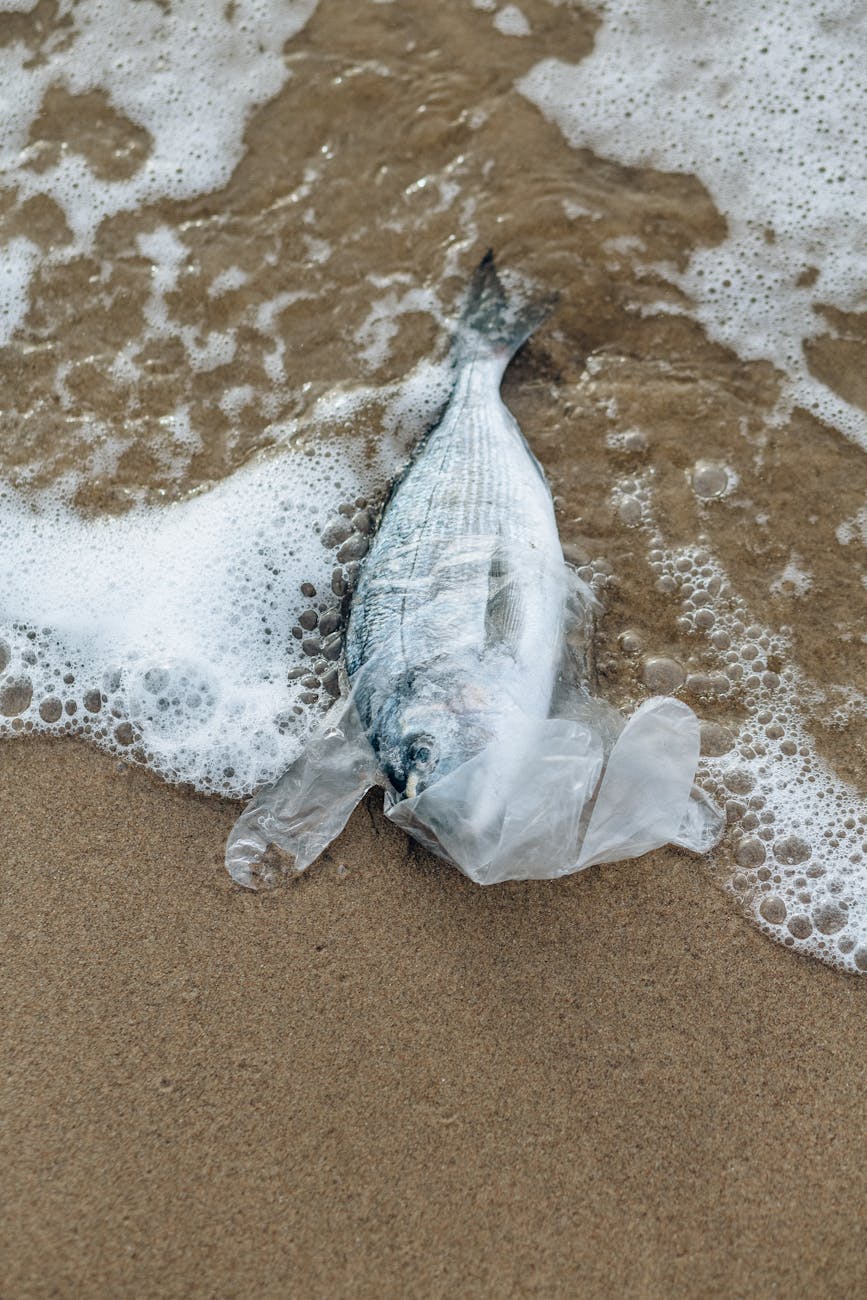
Photo by Nataliya Vaitkevich on Pexels.com

Researchers at the University of Exeter show that voluntary, community-based agreements can outperform rigid regulations in protecting marine ecosystems. By respecting local autonomy and cultural context, communities sustain conservation more naturally.


Source: Oceanographic Magazine

Buen Vivir connection: Harmony through collaboration, not domination.


Why it matters: Empowering coastal communities affirms that ecological wisdom lies not only in science, but in the lived experience of those most connected to the sea.

4. Brazil: Forest Protection and Local Prosperity Intertwined

Photo by Bill Salazar on Pexels.com

At the Instituto Arapyaú, Renata Piazzon and partners are demonstrating that healthy forests and thriving local economies can coexist. Their projects link sustainable production, community wellbeing, and biodiversity.


Source: Mongabay – Brazil Can Protect Its Forests While Growing Its Economy

Buen Vivir connection: Mutual flourishing of people and ecosystems.


Why it matters: It shows how care for land and nature can generate enduring socio-eco wellbeing.

5. Boulder, Colorado: Urban Food Security Through Nature-Based Solutions

Photo by Simon Berger on Pexels.com

In Boulder, community members are collaborating with local Nature-Based Solutions teams to expand urban farms, restore pollinator corridors, and build climate resilience.
Source: City of Boulder

Buen Vivir connection: Food security re-roots the idea of nourishment in place, community, and reciprocity.


Why it matters: Demonstrates how cities can regenerate ecosystems while improving food access, transforming concrete into care.

🌍 Good Planet News Weekly, 25 September

This week’s good news round-up on September 25, 2025, “Buen Vivir in Action” highlights global community projects promoting ecological balance and reciprocity. From Kolkata’s heritage restoration to Cuba’s microgreen initiative, these stories illustrate efforts in sustainability, cultural identity, and community resilience across diverse locales, emphasizing the vital connection between human dignity and ecological wellbeing.

Date: Thursday, September 25, 2025

Buen Vivir in Action — Community, Reciprocity, and Ecological Balance

No news is good news – besides this good news round-up bringing you a dose of positivity and hope.

Buen Vivir reminds us that ecological wellbeing and human dignity are inseparable. This week’s stories show how communities in all parts of the globe are co-creating futures of reciprocity and resilience, from Havana rooftops to Thai lakes, Australian bushlands to PNG rainforests

1. Kolkata’s Citizens Restore 94 Heritage Buildings (India)

Community donations light up Raj Bhavan, St. Paul’s Cathedral, and more, sparking civic pride and ecological urban renewal.
🔗 Read more →


Buen Vivir principles: Community-led, cultural identity, reciprocity with place.
Why it matters: Heritage revival enhances urban ecological identity, strengthens community pride, and fosters stewardship of public spaces.

Raj Bhavan lit at night
Photo: Times of India

2. Cuba’s Microgreen Revolution

A Havana start-up grows nutritious microgreens in shipping containers, training neighbors and creating new food pathways.
🔗 Read more →


Buen Vivir princples: Food sovereignty, endogenous innovation, holistic wellbeing.
Why it matters: In crisis, communities can seed local resilience — nutritious food, livelihoods, dignity.

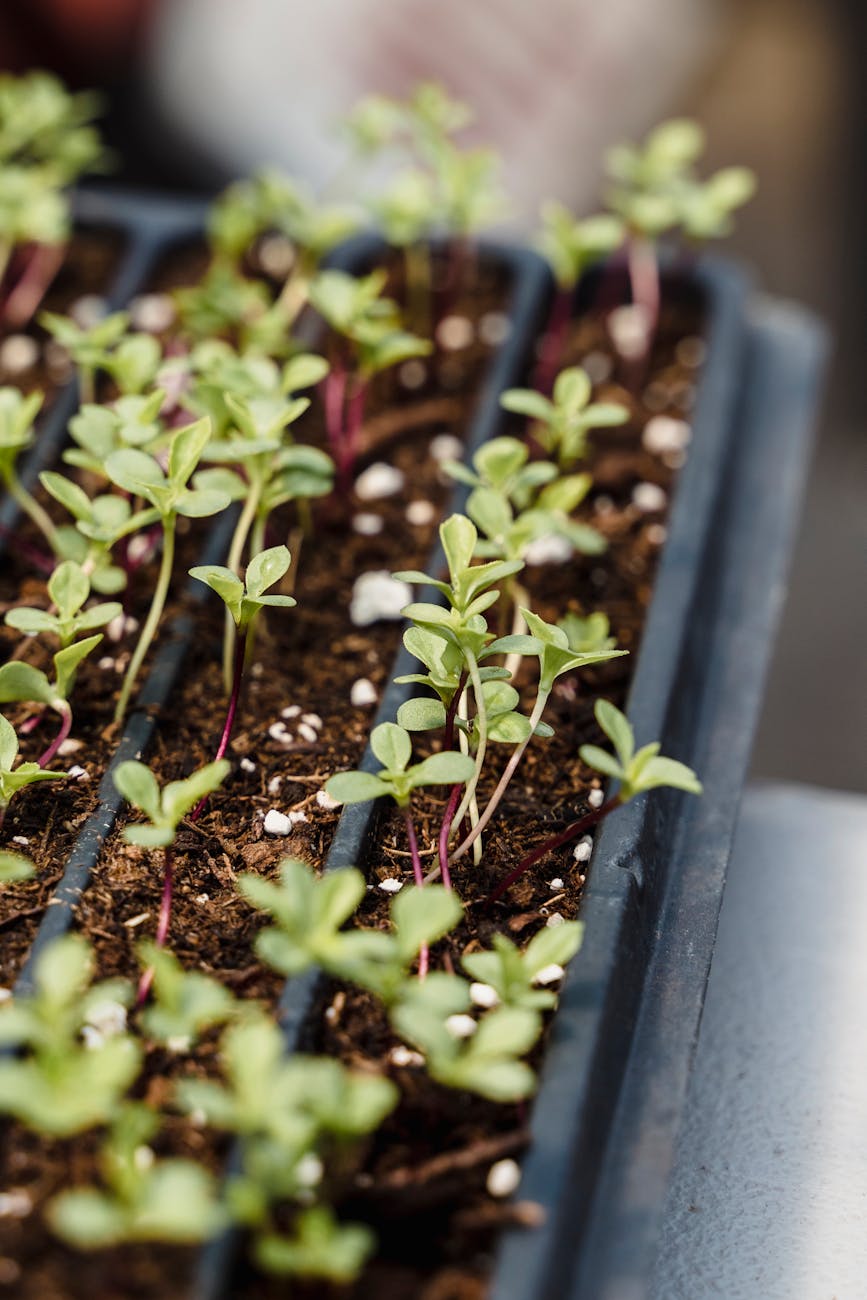
Photo by Greta Hoffman on Pexels.com

3. April Salumei Rainforest Conservation (Papua New Guinea)

An innovative new five-year Sustainable Development Plan for the April Salumei Rainforest Community Conservation Project in Papua New Guinea has been developed to provide long-term community benefits. 600,000 hectares of rainforest preserved by landowner-driven conservation and sustainable development planning.
🔗 Read more →

Buen Vivir principles: Holistic rights, ecological reciprocity, plural context.
Why it matters: Avoids 22.8 million tonnes of CO₂, preserves habitat, and strengthens community voice in global climate finance.

Photo by Alex Konehe on Pexels.com

4. Indigenous Fire Stewardship Revives Country (Australia)

First Nations fire practices are reviving habitats, reducing catastrophic bushfires, and strengthening cultural ties to land.
🔗 Read more →

Buen Vivir : Knowledge sovereignty, harmony with nature, collectivewellbeing
Why it matters: Indigenous fire practice reduces catastrophic bushfire risk, restores biodiversity, and reconnects people with Country.

Photo by Buu011fra u00d6zcan on Pexels.com

5. Songkhla Lake Mangrove Revival (Thailand)

Local communities restore 50 hectares of mangroves, forming a Mangrove Rehabilitation Club to sustain long-term care.
🔗 Read more →

Buen Vivir: Community-driven, participation, reciprocity with ecosystems, shared wellbeing.
Why it matters: Restored mangroves stabilize coastlines, nurture fish nurseries, and empower communities to govern local ecosystems.

Mangroves along the wateru2019s edge, shallow water offshore. by Sithara Koramparambil is licensed under CC-CC0 1.0

🌿 Good Planet News Weekly

Mangrove Restoration_Kenya_Mangroves (3) - Salesforce

Global South Edition

Date: Wednesday, September 17, 2025


🌍 🌱

🌊 Marereni, Kenya: A Community-Led Mangrove Revival

What happened
In Marereni, Kilifi County, a collaborative effort between Seatrees, Community-Based Environmental Conservation (COBEC), and local communities has led to the restoration of over 640 hectares of mangrove forests. The project has engaged over 600 community members, predominantly women, in establishing and maintaining mangrove nurseries. Participants earn income from selling mangrove seedlings and engaging in restoration activities. The initiative has resulted in improved fish stocks and enhanced coastal resilience.
🔗 Read more →

Buen Vivir Principles:

  • Community-led & endogenous: Local communities are at the forefront of the restoration efforts, utilizing traditional knowledge and practices.
  • Holistic wellbeing: The project addresses ecological health, economic stability, and cultural values.
  • Reciprocity with nature: The restoration of mangroves enhances biodiversity and provides ecosystem services that benefit the community.

Why it matters
This project exemplifies how community-led initiatives can effectively restore ecosystems while providing sustainable livelihoods and enhancing resilience to climate change.


🌿 Lamu County, Kenya: Integrating Restoration with Community Development

What happened
The Lamu County Mangrove Restoration Initiative, led by Eden People+Planet, restored over 1,120 hectares of mangrove forests from 2020 to 2024. The project integrated mangrove restoration with inland forest protection and community development across multiple ecological zones. Innovative restoration techniques were developed, providing valuable foundations for future carbon-eligible mangrove projects in similar landscapes across the region.
🔗 Learn more →

Buen Vivir Principles

  • Holistic wellbeing: The project addressed ecological health, economic stability, and cultural values.
  • Alternative economies: The initiative promoted sustainable livelihoods through eco-friendly practices.
  • Plural/local context: Restoration techniques were tailored to the local ecological zones and community needs.

Why it matters
This initiative demonstrates the effectiveness of integrating ecological restoration with community development, leading to sustainable and resilient ecosystems.


🌊 Gazi Bay, Kenya: Restoring Ecosystems and Livelihoods

What happened
The Aga Khan Foundation, in partnership with the Kenya Forest Service, is restoring 226 hectares of degraded mangrove forests in Gazi Bay, Kwale County. The three-year project aims to rehabilitate vital ecosystems while fostering sustainable livelihoods. It aligns with AKF’s commitment to integrating environmental restoration with community development, ensuring long-term ecological health and economic stability.
🔗 Discover the project →

Buen Vivir Principles

  • Community-led & endogenous: Local communities are engaged in the restoration efforts, utilizing traditional knowledge and practices.
  • Holistic wellbeing: The project addresses ecological health, economic stability, and cultural values.
  • Reciprocity with nature: The restoration of mangroves enhances biodiversity and provides ecosystem services that benefit the community.

Why it matters
This project highlights the importance of integrating environmental restoration with community development to build resilience and ensure sustainable livelihoods.

🌊 Kolkata’s Heritage Revival: A Community-Led Transformation

What happened
Between November 2023 and September 2025, Kolkata, India has undergone a transformative heritage revival driven by a citizen-powered initiative named Kolkata Restorers. What started modestly with crowdfunding to light up the dome of Maniktala Market has grown into a vibrant movement revitalizing 94 historic buildings across the city. Through small donations—often Rs 500 to Rs 1,000—from individuals, families, and NRIs, residents have embraced preservation as a shared civic responsibility. Iconic landmarks like Raj Bhavan, St. Paul’s Cathedral, and New Market now glow at night as symbols of civic pride and historical continuity. The initiative fosters a “democracy of memory,” where even small contributions allow citizens to feel personally connected to Kolkata’s cultural narrative. By mirroring global heritage cities like Paris and Istanbul, this movement demonstrates how collective action can redefine urban pride and inspire hope. The Times of India

Buen Vivir Principles

  • Community-led & endogenous: Residents are at the forefront of the restoration efforts, utilizing traditional knowledge and practices.
  • Holistic wellbeing: The project addresses cultural preservation, community pride, and environmental sustainability.
  • Reciprocity with nature: The restoration of historic buildings enhances the city’s aesthetic value and fosters a deeper connection to the environment.

Why it matters
This initiative exemplifies how community-led efforts can effectively restore cultural heritage while promoting environmental sustainability and fostering a sense of collective identity.

The Fight for Mother Ocean


The ocean, she breathes life into the earth, into you, into me. The ocean, this ultimate vessel for the ‘Elixir of Life’ unto which we are all ultimately connected, needs us so that she may continue to sustain us. You see, this vast blue and us, we are inextricably interconnected.

The ocean covers the majority of the planet – 97 percent, in fact. The world’s four major oceans are interconnected making the vast blue at one with the earth. This vast amount of liquid water is what makes our planet unique and the primary contributor to life on Earth. Yet, we have lost respect for her and her significance, polluting 88 percent of her surface with our debris, with the vast majority of it sinking to the bottom of our precious marine ecosystems.

The ocean began her life three billion years ago and we may never fully understand the mysteries that have evolved since then. She is wise this old girl. While the earth may not look the same, her duty to birth and sustain life has remained constant.

Never one to keep still, she is always in movement. In a tangled cycle of heat and vapour, the ocean gives herself to the atmosphere and disguises herself as bright clouds that give us shade from the scorching sun, and rain that waters our crops and provides us with water to drink. The ebbs and flows of the ocean current allow life everywhere across the globe to perpetuate, to flourish and to reproduce. The sea floor is locked in a perpetual cycle of birth and destruction that shapes our earth and even influences our DNA.

The Enlightenment assumption that natural resources were simply property to be exploited is naïvely nonsensical – if we deplete and destroy nature, we ultimately damage ourselves.  Our estuaries, salt marshes, mangrove forests, coral reefs, open and deep seas all depend on an ocean thriving and in good health.

For the world’s indigenous peoples, the ocean, like all forces of nature, is a living being, and must be respected, revered, and cared for. Beliefs anchor in facts: nature sustains us, guides us, gives us life and health. The ocean provides us with food, medicine, minerals, oxygen, and freshwater.

However, today we exercise our dominion over the sea and all of her creatures and organisms, and we are paying the price.

First civilizations had a transactional relationship with the ocean, riding the seas through ancient trade routes importing and exporting knowledge, tools, spices, minerals, and other riches, and expanding empires. The seas supported our livelihoods, helping society to become what it is today. Humanity has used the ocean against itself – the very reliance civilizations had on her for expansion and progress became the driving forces that are destroying her by impacting the earth’s climate.

In modern life, the threats of climate change and human destruction have forever changed the way our ocean and her ecosystems exist and evolve. Evolution is a slow process, usually, but with our consumerist and extractive mindsets we have taken so much of the earth’s riches and given it back in waste that it has caused mass extinctions in all life forms, not least in the ocean. If we continue the way we are, in the time to come all marine life from the deepest depths to the sandy shores could suffer one of the biggest mass extinctions in the history of our planet from warming seas and changing currents.

Our polar regions are warming faster than anywhere else on Earth. The Arctic Ocean once glistened with snow and ice under a pale sun, atop with glaciers so large that humans had little knowledge of what went on in life underneath. Now plankton, scores of fish, walruses, whales and seals all are fighting to adapt to warming seas. Polar bears that completely depend on the ocean to survive are drowning, and starving with nowhere to go. It is a case of fight or perish. Through our actions though, the ocean has little say in how she changes. The ice that once gleamed in varying hues of pale blue and white protecting her from above is giving way to deep blues. As the darkest depths of the ocean reveal themselves to our polar regions, so does our future become obscure.

We humans are so intelligent that we have long studied and understood geological processes of the past, yet we are so far inept at changing the forces that will stop it from happening again. We write the history books, what is stopping us from editing them to allow for a legacy sequel?  

The ocean is the most powerful force on earth – she is a mother, a killer, a healer, and a peacemaker – lest she have the power to rest in good health. As humans we have inherited the universal right to clean water because of its importance to sustaining life. Though, some interpret that as the right to exploit at all costs, that the ocean and its supported water forms are a commodity to fulfill our needs and desires first. As a living being, she deserves agency to pursue redress if it is damaged or destroyed.

The Rights of Nature is a movement that catalyzes the connection between us and the earth. The idea of giving rights to the ocean and all water sources is to protect them against destructive and exploitative human activity – that we may live in harmony with nature and not against it. It acknowledges the inherent intimate connection we have with her, how she has helped form this planet we call home, and that she may continue to endure and sustain us with her most important work flowing through life every day. It may reorient the way we live towards our responsibilities to nature. The ocean deserves her right to be recognised and respected.

If we retrieve reverence for our ocean, we can recover respect for ourselves and our future. Honouring the reciprocal relationship we have with Mother Ocean is key to hope for times to come.  While climate change is obscuring the outlook for the future state of our planet, one thing is certain: our ocean is worth fighting for.


Good Planet News 1 June 2023

Photo by Tom Fisk on Pexels.com

If there is any time to focus on the positive it is now, with the news this week that humankind faces the double threat of extinction from climate change and AI. In that was the promise that we can still steer the course of our own fate. Some recent positive advances give hope for doing so. So, here is a roundup of the latest good environmental news.

First up is a story close to my heart. If you follow my research, you will know that my interest in Buen Vivir grew from living and working with communities in Ecuador’s Intag Valley, which have battled threats to their social and environmental wellbeing for decades. Part of the struggle was captured in my book through interviews with key people in Cotacachi County (where Intag is located). So, this victory has moved me to tears, and I hope it is the start of some positive momentum for the Rights of Nature.

  1. Rights of Nature upheld in Ecuador Court

Communities in Ecuador’s Intag Valley had a major win in March after more than 30 years of mining resistance in the region. On March 29, 2023, communities in the Intag Valley won a court case against mining companies Codelco and ENAM. The Imbabura Provincial Court ruled in favour of the Rights of Nature upheld in the Constitution since 2008 and revoked the companies’ mining licenses for the project. The win helps preserve the natural integrity of the Tropical Andes and upholds local communities’ constitutional right to consultation. The victory also expands the case law for the Rights of Nature and sets a precedent for future cases. It also demonstrates the willingness to uphold the Rights of Indigenous Peoples and rural communities in the face of extractivism demand.

2. Deforestation in the Brazilian Amazon has fallen by 68 percent

Deforestation in the Brazilian Amazon fell 68 percent in April compared to April 2022. One of President Luiz Inacio Lula da Silva presidential promises when taking office at the start of this year was to combat illegal deforestation, which rose significantly under former President Jair Bolsonaro.

3. Ecuador’s ‘debt for nature’ deal to help protect the Galápagos Islands

To Ecuador again, as the country has converted $1.6 billion (€1.5 billion) of debt into a loan to be used for conservation in the Galápagos Islands in the world’ biggest ‘debt for nature’ deal.

“The world’s biggest ocean-friendly debt swap is coming together in Ecuador to protect its unique natural resources,” says Pablo Arosemena Marriott, Minister of Economy and Finance.

4. Renewables to hit a major milestone

The renewable power sector is passing a series of important positive tipping points in 2023. Thinktank Ember’s fourth annual Global Electricity Review has found that greenhouse gas emissions from the global power sector are expected to fall for the first time because an expansion in renewable energies outstrips the growth in demand. The report analyses data from 78 countries representing 93% of global power supply. Not only that but experts predict that new solar and wind generation will become cheaper than existing fossil fuel generation.

5. Australia’s first Regenerative Food and Farming Map

Non-for-profit organisation Sustainable Table has developed Australia’s first Regenerative Food and Farming map. Regenerative agriculture helps mitigate the environmental impacts of farming and food systems. According to the Climate Council, Australian agriculture is responsible for around 13% of our greenhouse gas emissions each year. The map is a ‘first of its kind’. Taken from the website Sustainable Table state that the “map gives visibility across the industry, allows for connection and collaboration in ways never before possible, and catalyses the transformation of food and farming systems in Australia.” This also has public advantage “Connecting regenerative change makers, ethical funders and conscious humans to change Australia’s farming, food and fibre systems”. CEO of Sustainable Table Jade Miles said. “Until now there hasn’t been a national map or database of Australia’s regenerative food and farming industry…There is huge potential to learn from each other, leapfrog failures and grow the regenerative agriculture movement, and the map will play a really important role in facilitating this.” Agricultural change-makers and growers can add their businesses to the map for free by filling out the Australian Regenerative Food and Farming Map application: https://www.sustainabletable.org.au/map.

The People’s Charter for an Eco-Social World

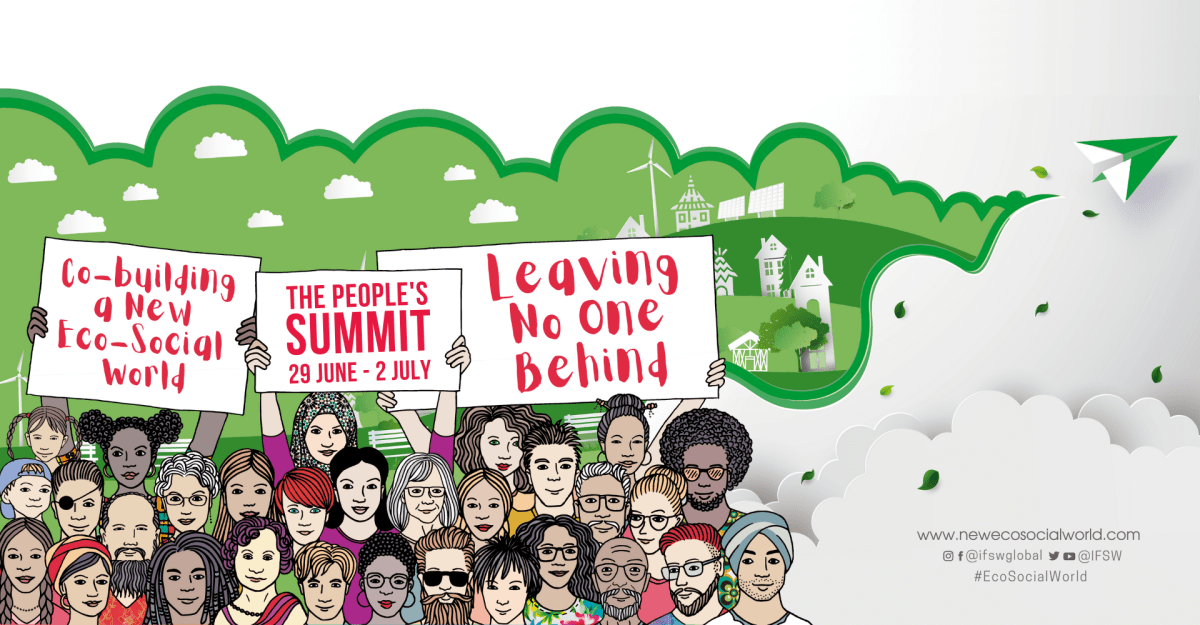
The Global People’s Summit: Co-Creating a New Eco-Socio World was held 29 June – 2 July 2022. I was honored to have been included in the program, presenting my research on Buen Vivir.

One of the key outcomes of the Peoples’ Global Summit was the ‘Peoples’ Charter’ shaped by diverse voices across the globe and based on the values of Buen Vivir, diversity, respect and Ubuntu, for the co-creation of globally shared values.

The People’s Charter is a living document and reference point that will grow as the world’s populations share their solutions for a sustainable planet where people live in peace and security. It is co-designed and co-built.

“The People’s Global Summit recognises that the pledges made by governments since the founding of the United Nations – the pillars of peace, development and human rights – have facilitated crucial steps forward but have not yet been realised. Challenges are at crisis point. Rights have been eroded. Inequalities and fractures have grown. Poverty sits alongside extreme wealth. Nature has been degraded, leading to climate warming and environmental destruction. Millions of people have been displaced as a result, adding to the millions more displaced by conflict and violence. The governments that made these commitments have prioritized competition over collaboration and sovereignty over solidarity. They have not yet served the people they represent.”

The Charter sets out five values for a new Socio-Eco World and seven implications going forward. The purpose was to create a call to action for world leaders at the United Nations High-Level Political Forum and General Assembly in July 2022.

If you missed the Summit, you can still watch the presentations by clicking the sessions in the program here. Be sure to check out some of the amazing keynote speakers, as well as the opening ceremony by UN Secretary-General Antonio Guterrez and climate activist Dr Kumi Naidoo.

You can read the contribution book here.

Transformation for Climate: but, of what?

The latest warnings from the IPCC predict that the world is heading towards critical temperature limits. We have already reached 1.0 degree of global warming. The IPCC report estimates that global warming is likely to triple to 3.2 degrees unless urgent, radical action is taken immediately. The IPCC warns that incremental change is no longer enough, and what we need now is transformation. But, what does this mean?

The IPCC defines ‘transformation’ as, “a change in the fundamental attributes of natural and human systems.” Is this enough to prevent it from becoming another catchphrase amenable to co-optation as the status quo sees fit?  To avoid perpetuating what UN Secretary-General Antonio Guterres calls, “a litany of broken climate promises” the course will have to change. We are running out of options.

Transformation, therefore, should effectively address and change the structural and systemic causes of social and environmental injustices that impede any genuine change. Confronting the crisis requires urgent political and societal change.

Transformation then is not only about technology and energy policy, but also a holistic approach to how we govern society on an interwoven planet. So, when we talk about transformation, we also have to talk about what type of transformation, who is involved, how, and at what scale.

The type of transformation that can see us through the change we need is plural, locally embedded, embraces all forms of knowledge (not only technological), and is inclusive of all geographic, cultural, socio-economic, developmental, and linguistic realities. It also needs to transform behaviours and practices from a largely anthropocentric model of society to a more holistic view that embraces a human society interwoven in harmony with nature.

To speak in metaphors of interwoven systems, humans have long viewed the world like a double helix, one strand representing nature as a living being, necessary for life, and the other strand representing society seeking to dominate nature and control it. The two strands coil around each other but running in opposite directions, their purpose intertwined, yet never touching. Yet, nature and society are more like an intricately woven tapestry. One loose thread in one part, can see the rest come completely undone. We are part of nature and any attempts at transformation to save it from climate change must recognise this.

Transformation is more than about scientific and technological mitigation strategies. Part of this is shifting mentalities firmly towards a post-extractive economy, not only discussing transition. The transition to just climate policies is important, we have to get it right, but merely focusing on discussions of what it looks like takes away from the immediate radical change that is needed and the larger goal of what comes after. Continual discussion about transitions without immediate action only sustains current convictions, planted in short-term fixes.

A hybrid approach that incorporates daily social transformation with the ultimate vision of what needs to be achieved to limit global warming will help achieve both long and short-term goals. In the quest for daily transformation, education plays a major role. That is, education on all levels, formal, in the home, in communities, and in policy. Education must be strategic not to continue the messages of the past. The transformation of education thus must also be systemic. I will discuss the transformation of education in my next post.

Post-Extractive Circular Society

The theme of Earth Day yesterday was “Invest in our Planet”. The question needs to be asked, at which point does the fix-all economic narrative become redundant? While we do need future investment in new technologies, we can no longer hide behind the rhetoric of techno-fixes for reducing the amount of carbon in the atmosphere. Yes, technology and will play a crucial role in transformation, but relying on it to achieve the real physical change that is needed in urgency is not the solution. Perpetuating the myth that we can build our way out of this through technology that supports exponential economic growth is dangerously digging us a deeper grave.

The IPCC report states that other mitigation strategies are likely to be prohibitively expensive, and that is the excuse used in ideological stances to abandon any kind of concrete change. According to Munich Re Research, in 2020, climate change disasters have led to estimated global economic losses of A$272 billion. Yet, when we look at the costs of inaction the argument mounts that it may very well be more economically expensive to continue down the same path of slow transition and economic justification, but more than that it will also cost us much more than money, it will and is starting to cost lives. In 2020, there were approximately 31 million internally displaced people from climate change impacts alone. By 2050, think tank IEP estimates that at least 1.2 billion people could be displaced by climate-related events. We can therefore legitimately argue that there is more at stake than economic growth.

A move to a low carbon society will not be effective at its aims if it destabilises ecosystems and puts efforts to protect biodiversity in jeopardy. This is why transformation must not only be about the types of energy we transition to, but also how much and on what scale. For true transformation, the use of renewable resources has to be in harmony with nature, as well a society. After all, even renewal resources perpetuate an extractive mentality on a large-scale as part of a neoliberal economic growth strategy. Our global economic model, for starters, has to evolve and transform with the challenges that lie ahead.

The ways we transform the energy sector should also be plural, locally embedded, and embrace all forms of knowledge to sustain transformation in harmony with nature. Policy strategies like moving towards a circular economy, which embed multiple approaches with the same aims such as Donut Economics, Buen Vivir, Regeneration, or even Degrowth can be part of a just economic transformation towards a post-extractive society. Instead of thinking about it as only economic as we do with a circular economy, by embracing these various approaches in tandem, we can then evolve towards a circular society – renewing and regenerating all life in harmony with the natural environment.

The UN calls for “transformation [that] requires attacking the root causes that generate and reproduce economic, social, political and environmental problems and inequalities, not merely their symptoms” but there is no concrete blueprint for this type of transformation. Many scholars have argued that this requires visioning a post-extractive society that focuses on regenerative approaches to society and natural resource management.

In regeneration, it’s important to look beyond fossil fuels and carbon emissions because of the circular effects of environmental destruction. Here, the models and frameworks I mentioned earlier work within a regenerative, circular society, such as Donut Economics, Buen Vivir, and Degrowth, for example. For future actions that are compatible with nature, so that the environment may regenerate and flourish, incorporating the rights of nature into future global and national climate policies would be beneficial.

Regenerative alternatives to development promote a state where human society and nature live in harmony. Regenerative approaches are not just about reaching Net Zero, but they are holistic and integral in that they seek to leave environments and their societies in a better state, having a positive impact on human wellbeing and the environment as a whole. 

So, in summary, when we think about the type and scale of change needed to tackle the environmental challenges that lie ahead, transformation must be plural, locally embedded, and embrace all forms of knowledge, particularly Indigenous knowledges. It is regenerative, seeking structural and systemic change which includes, as a foundation, formal and informal education systems. Transformative regenerative approaches work in harmony with nature and seek to enhance environmental wellbeing, as well as societal wellbeing. Transformation then, upends the way the world currently works, towards a more socially and environmentally sustainable future, not solely towards better economic growth.

Sustaining Water Wellbeing

Our blue planet is a testament to the integral role of water to every living being on earth. Access to water not only satisfies our basic needs but our psychological needs too.

Over the summer I may have been a little quiet as I took time with my family. A large part of wellbeing is taking time to connect with our families, and ourselves and for me, the school holiday period is a good time to do that. We spent a lot of time being by the water, whether that be the ocean or the rivulet. The ambiance of water – blue space – has therapeutic effects on human health and wellbeing. The time spent by water was a timely reminder that we are connected to the liquid stuff in more ways than we realise.

Our blue planet is a testament to the integral role of water to every living being on earth. Access to water not only satisfies our basic needs but our psychological needs too. Our need for water can be categorised by Manfreed Max-Neef’s nine axiological needs for Human-Scale Development, that is: subsistence, protection, participation, identity, idleness, creation, and even affection, understanding and freedom; but which also corresponds to Maslow’s psychological needs mirrored in his Hierarchy of Needs such as the need for leisure time, culture and community. Oftentimes, water is only equated to the need for subsistence or survival.

Water is a communal concept. The only thing individual about water is the way its presence makes us feel, subjectively. Yet, even that has objective consequences because, numerous studies show that being connected to nature, particularly water, makes people feel part of something bigger than themselves, imparting a feeling of awe and transcendence. This feeling of being connected to something bigger helps develop the responsibility to protect the environment around us.

Given the overwhelming importance of water to life on earth, the principle of reciprocity is especially crucial. In other words, being cognizant of the society-nature continuum and conscious of the fact that what we take, we must also give back. The Socio-Eco Wellbeing that results from Buen Vivir, confirms transcendent values like our deep connection to water, highlighting the importance not only of human wellbeing but also environmental wellbeing.

The United Nations resolution 64/292 calling for access to safe water to be considered as a human right was passed in 2010 with the support of 122 countries. It states that “the human right to water entitles everyone to sufficient, safe, acceptable, physically accessible and affordable water for personal and domestic uses.” (UN CESC – General Comment 15, paragraph 2).

Although no one can deny the necessity of water as human, and the need for everyone, everywhere to be able to access clean, safe water, it has been argued that making it a human right only reinforces the mentality of human’s dominance over nature – that we must control it as a means to ensuring our own survival and livelihood, cementing if you like, the idea of water being a commodity. It should not be.  Rather, it should be understood as an essential part of the earth’s lifecycle, of which we are also a part.

Our modern-day commodity-like dependence on water leads to pollution, drought, water scarcity, and consequently diseases and food insecurity. Notwithstanding our absolute need for clean, fresh water; shifting mindsets from water as a human right to the responsibility of humans to ensure the health and sustainability of water sources can help ensure the former. Of course, this would not be equitable without re-examining the structural causes as to why many communities go without safe drinking water, and sacred water environments destroyed, polluted, or even seized.

In neoliberal development, human rights and environmental protection are often in conflict with each other. In 2010, the United Nations Human Rights Council affirmed that the human right to water is legally binding upon states. To guarantee water as a human right means first addressing the structural and systemic road bumps that see the misuse, overuse, and exploitation of water and water sources. A large part of this is due to industry consumption. Particularly in communities in the Global South which have had multinationals and/or governments misuse and pollute local water sources for production’s sake. Watercourses are protected internationally by the “no-harm” principle in international law. That may help with seeking reparations,  but there is nothing concrete to prevent harm being done in the first place.

Harms to water sources create water stress, not only for humans but also for all living ecosystems that rely upon water for survival. The consequences are dire and cyclical. It affects food systems, livelihoods, even reactional activities. In short, it affects both human and ecological wellbeing and threatens our ability to satisfy both basic and psychological needs.

So, let’s put a spin on this. If we viewed water not as a right, but as a guarantor of both human and ecological wellbeing that must be protected and cared for to be utilized, would that change anything? Should it then not just be a question of society’s needs, but environmental ones too? The first step might be to also ask: what does water need to ensure its continual and safe replenishment?

Personifying ecological resources, for example, is a practice and worldview taken by Indigenous Peoples for generations, and it may help better ensure sustainability by changing the way we look at our natural resources. This practice has been ratified in law in a handful of cases where local jurisdictions uphold the Rights of the Nature, such as the constitutional amendments in Ecuador which recognise such rights, or the treaty ratified in New Zealand with the Māori iwi recognising the Whanganui River as a legal entity.

Complementing the right of water should therefore be the application of environmental personhood – providing water itself rights to exist and survive in good health. These two ideas need to harmonize each other because, without water, there is no life – human or otherwise. On the contrary, without humans, water will continue to flow and perhaps thrive, without the threats of overuse and pollution. Unfortunately, we humans cannot say the same about water.

The ‘Transformative’ SDG Moment for Rethinking Sustainability

Shutterstock

The 76th UN General Assembly has kicked off this week with the ‘SDG Moment’- a call to renew momentum for the SDGs, but the COVID-19 pandemic has had profound impacts on how governments manage global social and environmental policies. It’s clear that an approach that promotes universal growth-oriented Goals is simply outdated.


Several scholars and experts have called for the need to revise the SDGs for a post-COVID world – one which will be profoundly different to the world in which the SDGs were designed.


Transformation often happens through crisis, and right now the entire planet is living a climate crisis, a social crisis, and a health crisis. This tells us that business-as-usual will not suffice to overcome the challenges we are living right now. To achieve environmental and social ‘transformation’ the SDGs will need recalibrating to include a contextual, community-led, and wellbeing-oriented alternatives that embraces holistic visions of wellbeing.


The SDGs call for ‘transformation’, yet as a perpetuation of the idea of mainstream development, they are doomed to fail if we do not abandon the people-above-nature-growth-above-all-else mindset and align 17 Goals with community-based, grassroots, alternative approaches. The way the SDGs have been conceived is simply not feasible, realistic, sustainable nor attainable.
Opening the 76th session, the President of UNGA 76, Abdulla Shahid of the Maldives, said we need a “new narrative” for the SDGs. The UN itself has admitted that “to get the SDGs back on track and prevent the worst impacts of climate change, a profound shift in economies and societies everywhere, is now needed.”


Our Common Agenda” contains 12 points for action, agreed on by member states.

Member states concluded that our challenges are interconnected and can only be addressed through reinvigorated multilateralism with the United Nations at the centre of our efforts. While collective action is crucial, especially with crises like climate change and COVID-19 that transcend national boundaries, it is equally vital that this high-level multilateralism better incorporates community-led action and capacity for transformative change.


One way to do so is to reprioritise five fundamental dimensions: people, planet, peace, prosperity, and partnership to ensure that ‘people’ refers to shifting power to allow for bottom-up approaches to environmental and social change. It is also imperative in that respect that the five dimensions do not perpetuate the anthropocentric vision that has dominated global sustainable development approaches so far, and that it reintegrates ‘planet’ to include people as part of nature, not a dominant force upon it. By shifting the power from a universal approach to the SDGs to proliferating plural community-led approaches, we incorporate the aspect of ‘partnership’ to achieving change. Here, the keywords are connection, reciprocity, and plurality.


What is needed is a framework that appeals to both the SDGs calls for ‘transformation’, as well as for a more citizen-empowered approach to achieving sustainability by aligning the global Goals with a local, community-led and biocentric approach to social and environmental wellbeing: the Latin American framework for Buen Vivir.


In my book, I discuss how Buen Vivir can allow governments to rethink the way they approach sustainability and align the global goals with contextually-appropriate community-focussed action. You can find a copy of my book here. The chapter titled “Rethinking Sustainability: Making the Global Align with the Local” is available for download on the SDG Online portal.

Howarth (2012) argued, “A sustainable future will emerge if we build institutions that, on a practical level, sustain the natural environment and the social and technological conditions that will empower future generations to define and pursue their own conception of the good life”. Buen Vivir will require rethinking sustainability, in particular the SDGs as a plural albeit community-led approach, requiring cooperation from local, national and global actors for rapid and genuine transformation.

The IPCC Report on Climate Change: Facts & Scenarios – Part I

What’s the Issue?

Welcome to my second post of ‘What’s the Issue’. This post looks at the long-awaited IPCC Sixth Assessment Report on Climate Change and will be in two parts: first I will outline the main findings of the report, its facts, and scientific bases for climate change.

The report details some sombre conclusions. “This report is a reality check,” said IPCC Working Group I Co-Chair Valérie Masson-Delmotte. “We now have a much clearer picture of the past, present and future climate, which is essential for understanding where we are headed, what can be done, and how we can prepare.”

This can leave us all a little disillusioned about the future of our planet, so part II will focus on the positive aspects of the report and notwithstanding changes in policy, look at ways we can all help slow the changing of our climate.

Let’s get into the facts…

In my last post I explained a little of the background of the report and what we might expect from this Sixth Assessment on Climate Change – the physical basis. Climate change and sustainability experts were not expecting good news from this report, and while the findings are somewhat unsurprising, they are a sobering account of the state of our planet. The report findings combine “multiple lines of evidence from paleoclimate, observations, process understanding, and global and regional climate simulations”, and is the most comprehensive study on climate change yet.

The IPCC has affirmed that human activities are responsible for climate change, with the main driver being CO2 emissions. “Each of the last four decades has been successively warmer than any decade that preceded it since 1850.” Global surface temperatures in the first two decades of the 21st century (2001-2020) was 1.1°C warmer than 1850-1900. If we average this trend over the next 20 years, we will exceed 1.5°C warming, or even 2°C by the end of the century.

Importantly though, global surface temperatures will continue to increase to at least mid-century under all scenarios.

There will be no cherry-picking. Every region on earth will be affected. This concerns us all from all corners of the globe, and as we know that climate change is emmeshed with social justice the outcomes for the world’s most vulnerable are looking dire. We only need look at the news this week and see the devastation occurring in Haiti with a 7.2 magnitude earthquake and awaiting tropical storm Grace with all its fury.

On the current trajectory, the outcomes will be unthinkable. We are already seeing the extreme changes in weather patterns around the world, and in the coming few decades there will be multiple climatic changes which will intensify with further warming scenarios. We will see:

  • harsh changes in urban climates
  • intense wetness and drought with affected rainfall patterns
  • already occurring sea-level rise leading to more severe flooding in low-lying regions, and increased coastal erosion
  • amplified changes to and melting of snow, ice and permafrost
  • more marine heatwaves, ocean acidification and reduced oxygen levels acutely affecting ocean ecosystems.

With higher global ocean and land temperatures, both ocean and carbon sinks will be less effective at slowing the accumulation of CO2 in the atmosphere – driving further acute changes to climate.

Despite this, there is some hope if we enact immediate, rapid and large-scale reductions in CO2 emissions and other GHG emissions globally. The most positive conclusion from the IPCC is that strong and sustained reductions in CO2 would limit climate change and give us a chance to slow warming. With radical wholesale transformation of our political, economic and social systems this could be below 1.5°; however more realistically if we see immediate drastic global reductions in emissions, we could limit warming to below 2°. This means 1.5° is almost certainly locked in.

The news is not good. But we can turn it around!

To even remotely have the chance of achieving these reductions governments globally must take multiple paths to reducing emissions, in global concertation with business, and citizens. A post-extractive economy is most certainly a necessity – that means an end to fossil fuels as the mains source of energy, but also changing the economic system to limit the exploitation and exportation of natural resources (especially from the Global South) for economic growth and wealth accumulation. COP26 in November will be a momentous opportunity for world leaders to leverage on this report for change.

Technology will play an important role in lowering industrial and consumer emissions, but it will not be a silver bullet. The way governments understand and “do” development must change. The argument for relying on extractivist policies heavily based on fossil fuels to raise global development expectations to a universal Westernised standard is redundant. The problem is not just fossil fuels, but all capitalist levels of extractivism of natural resources.

In light of the work that needs to be done there is a strong impetus on looking beyond ‘development’ and ‘sustainable development’ to other decolonised ideas about how we can better approach the transformation needed to slow climate change and its impacts.

We need to ask ourselves and our leaders: is the idea of development now redundant? And, be prepared for hard truths.

The future needs all-hands-on-deck, not just a motivated few. Behavioural change in the world’s most consumerist societies will help us avoid the worst case scenario, as will a realisation of the consequences our disconnection from nature is having on the natural world. Most of all, a positive future needs people everywhere, everyday doing what they can. The next part of this post looks at what that might look like.

Sources:

www.ipcc.ch

Full report

IPCC, 2021: Climate Change 2021: The Physical Science Basis. Contribution of Working Group I to the Sixth Assessment Report of the Intergovernmental Panel on Climate Change [Masson-Delmotte, V., P. Zhai, A. Pirani, S. L. Connors, C. Péan, S. Berger, N. Caud, Y. Chen, L. Goldfarb, M. I. Gomis, M. Huang, K. Leitzell, E. Lonnoy, J. B. R. Matthews, T. K. Maycock, T. Waterfield, O. Yelekçi, R. Yu and B. Zhou (eds.)]. Cambridge University Press.

Summary for Policymakers

IPCC, 2021: Summary for Policymakers. In: Climate Change 2021: The Physical Science Basis. Contribution of Working Group I to the Sixth Assessment Report of the Intergovernmental Panel on Climate Change [MassonDelmotte, V., P. Zhai, A. Pirani, S. L. Connors, C. Péan, S. Berger, N. Caud, Y. Chen, L. Goldfarb, M. I. Gomis, M. Huang, K. Leitzell, E. Lonnoy, J. B. R. Matthews, T. K. Maycock, T. Waterfield, O. Yelekçi, R. Yu and B. Zhou (eds.)]. Cambridge University Press.