The ‘Transformative’ SDG Moment for Rethinking Sustainability

Shutterstock

The 76th UN General Assembly has kicked off this week with the ‘SDG Moment’- a call to renew momentum for the SDGs, but the COVID-19 pandemic has had profound impacts on how governments manage global social and environmental policies. It’s clear that an approach that promotes universal growth-oriented Goals is simply outdated.


Several scholars and experts have called for the need to revise the SDGs for a post-COVID world – one which will be profoundly different to the world in which the SDGs were designed.


Transformation often happens through crisis, and right now the entire planet is living a climate crisis, a social crisis, and a health crisis. This tells us that business-as-usual will not suffice to overcome the challenges we are living right now. To achieve environmental and social ‘transformation’ the SDGs will need recalibrating to include a contextual, community-led, and wellbeing-oriented alternatives that embraces holistic visions of wellbeing.


The SDGs call for ‘transformation’, yet as a perpetuation of the idea of mainstream development, they are doomed to fail if we do not abandon the people-above-nature-growth-above-all-else mindset and align 17 Goals with community-based, grassroots, alternative approaches. The way the SDGs have been conceived is simply not feasible, realistic, sustainable nor attainable.
Opening the 76th session, the President of UNGA 76, Abdulla Shahid of the Maldives, said we need a “new narrative” for the SDGs. The UN itself has admitted that “to get the SDGs back on track and prevent the worst impacts of climate change, a profound shift in economies and societies everywhere, is now needed.”


Our Common Agenda” contains 12 points for action, agreed on by member states.

Member states concluded that our challenges are interconnected and can only be addressed through reinvigorated multilateralism with the United Nations at the centre of our efforts. While collective action is crucial, especially with crises like climate change and COVID-19 that transcend national boundaries, it is equally vital that this high-level multilateralism better incorporates community-led action and capacity for transformative change.


One way to do so is to reprioritise five fundamental dimensions: people, planet, peace, prosperity, and partnership to ensure that ‘people’ refers to shifting power to allow for bottom-up approaches to environmental and social change. It is also imperative in that respect that the five dimensions do not perpetuate the anthropocentric vision that has dominated global sustainable development approaches so far, and that it reintegrates ‘planet’ to include people as part of nature, not a dominant force upon it. By shifting the power from a universal approach to the SDGs to proliferating plural community-led approaches, we incorporate the aspect of ‘partnership’ to achieving change. Here, the keywords are connection, reciprocity, and plurality.


What is needed is a framework that appeals to both the SDGs calls for ‘transformation’, as well as for a more citizen-empowered approach to achieving sustainability by aligning the global Goals with a local, community-led and biocentric approach to social and environmental wellbeing: the Latin American framework for Buen Vivir.


In my book, I discuss how Buen Vivir can allow governments to rethink the way they approach sustainability and align the global goals with contextually-appropriate community-focussed action. You can find a copy of my book here. The chapter titled “Rethinking Sustainability: Making the Global Align with the Local” is available for download on the SDG Online portal.

Howarth (2012) argued, “A sustainable future will emerge if we build institutions that, on a practical level, sustain the natural environment and the social and technological conditions that will empower future generations to define and pursue their own conception of the good life”. Buen Vivir will require rethinking sustainability, in particular the SDGs as a plural albeit community-led approach, requiring cooperation from local, national and global actors for rapid and genuine transformation.

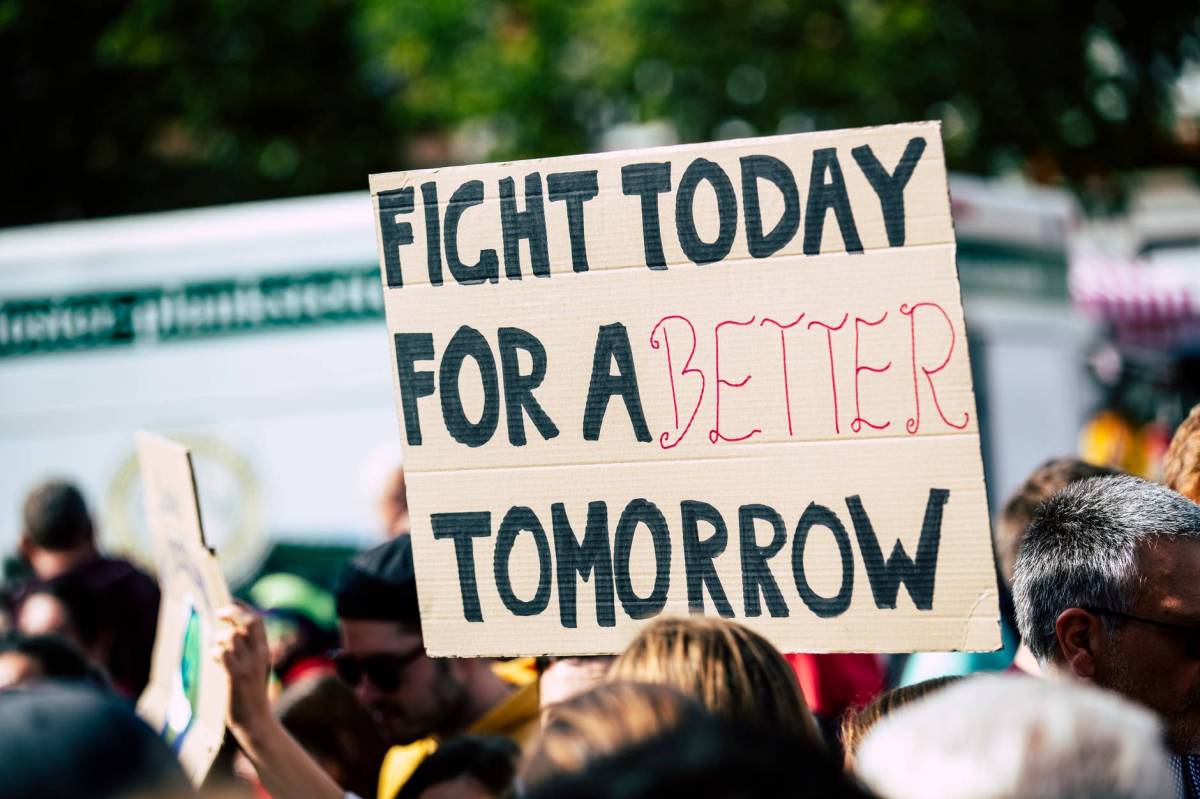
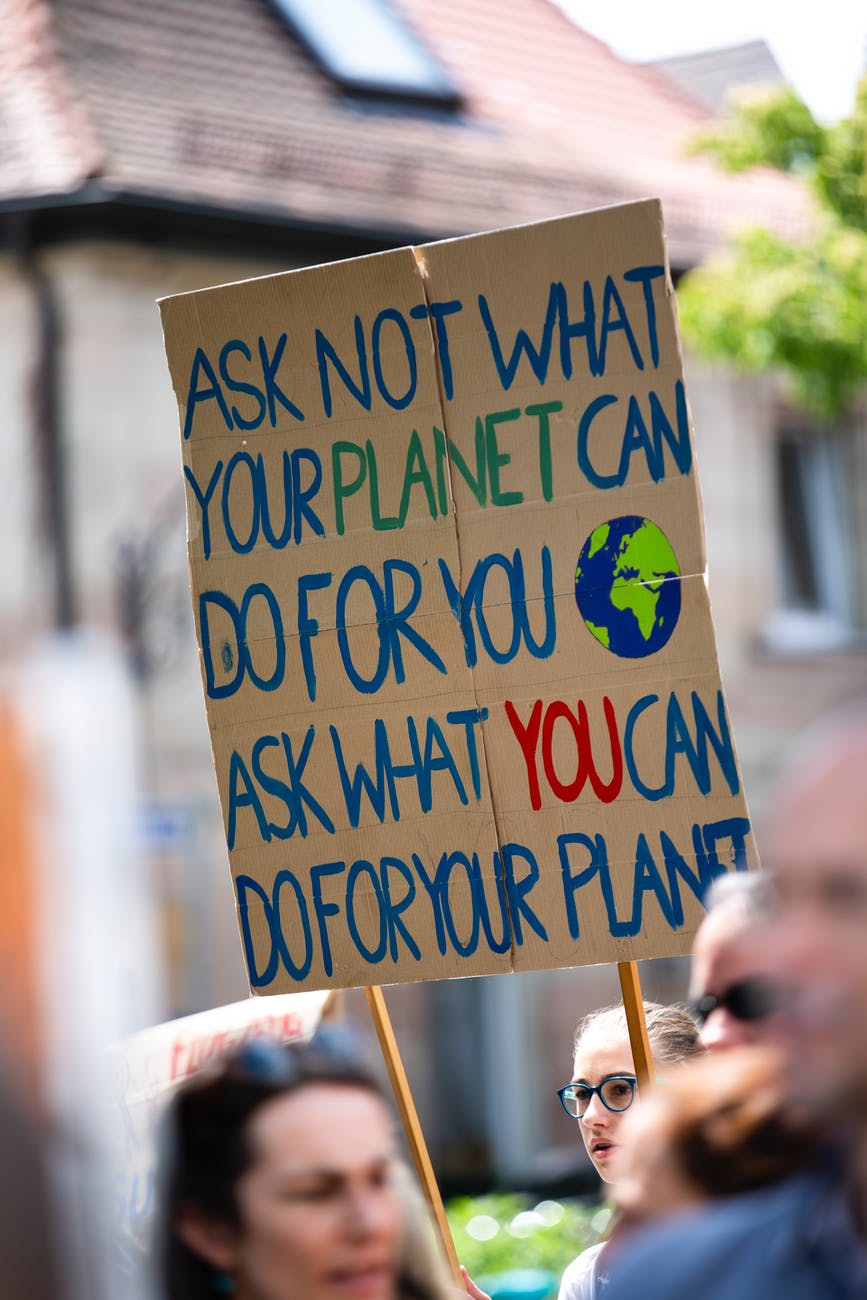
Regenerating and Restoring the planet goes beyond Earth Day. Here’s how we can do it

Our world is broken in many ways, compounded by climate change and biodiversity loss. Human impacts have had a profound effect on the changes in nature.

Humans have led to a broken world. It’s time to for us restore the earth! For today, Earth Day 2021, that is the theme.

The global pandemic highlights the urgency of environmental action at every level of society. Restoring the earth doesn’t just mean relying on government action, it’s a reminder that we all have to come together and contribute to a brighter future – one of hope.

‘Sustainability’ is no longer enough. ‘Sustainable development’ hasn’t worked. Let’s change the narrative. Let’s look at other approaches that can reconcile our society with the planet that sustains us. We have the opportunity to turn away business-as-usual, challenge the status quo, and regenerate and renew the earth.

We can do this by shifting our behaviours, and changing our worldviews on our role and relationship with nature. This involves deep societal change. But in the words of Martin Luther King, “Today our very survival depends on our ability to stay awake, to adjust to new ideas, to remain vigilant and to face the challenge of change.”

Earth Day should not be just symbolic, however, it’s an opportunity to continue the conversations of change which can lead to real, practical transformation. Here are some ways all levels of society can do so from individuals,  communities, industry, and governments:

• Prioritise Indigenous and traditional knowledge and incorporate them in public policy and decision-making.


• Look towards ideas like Buen Vivir that seek to restore the connection between people and nature, and between each other. This means moving away from a transactional society and towards collaborative living and collective socio-eco wellbeing.


• Start implementing and supporting regenerative activities like regenerative farming, agriculture, gardening, and tourism.


• Educate. Teach the next generations what can be done for the future, and instill a reciprocal planet-people mindset. Centre Indigenous and traditional approaches to resources in education.


• Move to a circular and regenerative economy, and localising that through social and solidarity economies that connect producers with consumers and provide equitable outcomes.


• Change consumption patterns with cooperation between people, governments, businesses, and organisations. At the most basic level, this can involve tree planting; reductions in energy consumption and waste by individuals and industry, supported by effective policy; and better waste management solutions incorporating new technologies.


• Support research in and harness sustainable technologies to support a circular and regenerative economy, and help support individual efforts.


• Declarations of a climate emergency coupled with effective strategies and policies to implement necessary changes.


• Celebrate and promote a ‘culture of restoration and regeneration’ through art, music, and storytelling to motivate and inspire action.

A Reset for Unprecedented Times

Maria Zambrano* lives in the highlands of Ecuador’s Cotacachi Canton, home to two of the world’s 36 internationally recognized biodiversity hots pots. It is also home to a people fiercely committed to their own social and environmental well-being. Zambrano is an Indigenous Ecuadorian of the Kichwa people. Sitting at a café in Cotacachi, the seamstress is dressed in a black wrap-around skirt and a traditional embroidered white shirt, on which she’s done all the embroidery. The colorful stitching, she explains, is symbolic of her land, depictions of the connection between humans and Pachamama, which she uses to refer to Mother Earth. Pachamama, she says, is at the heart of everything she does.

Read more

Published in Yes! Magazine Winter 2020 https://www.yesmagazine.org/issue/what-the-rest-of-the-world-knows/2020/11/03/a-reset-for-unprecedented-times/

COVID-19 is the chance for a social and ecological reset….but, how? Part II

Support independent research

Become a monthly subscriber to get access to this and other content.

Subscribe to get access

Read more of this content when you subscribe today.